

ONS, Alusine Kanneh & Agnes Bio Under Pressure
The controversy surrounding the whereabouts of Umarr Sheriff, also reportedly known by other names including Jose Leidjikker and Bolle Jos, has taken another turn following a recent statement attributed to the Office of National Security (ONS) and the Sierra Leone Police (SLP).
The statement has triggered questions among sections of the public, with critics asking whether the security authorities are pursuing every possible lead in their reported efforts to locate Sheriff.
For many Sierra Leoneans following the matter, the central question is straightforward: If the security authorities are genuinely determined to locate Umarr Sheriff, have all individuals who may have had contact with him been properly questioned and investigated?
Public Questions ONS and Police
The latest development has generated criticism from members of the public who believe that the authorities should provide greater clarity about the steps being taken to establish Sheriff’s whereabouts.
Critics argue that simply issuing public statements without adequately addressing questions surrounding people who may have interacted with or been connected to Sheriff could create the impression that the authorities are not pursuing the matter with the urgency it deserves.
However, it is important to stress that public speculation, photographs, videos or social-media claims alone do not establish criminal responsibility. Any allegation involving an individual should be independently investigated by the competent authorities before conclusions are reached.
Why Alusine Kanneh and Agnes Bio Are Being Mentioned
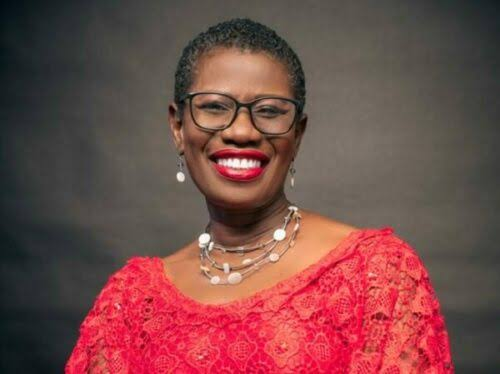
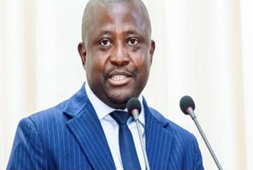
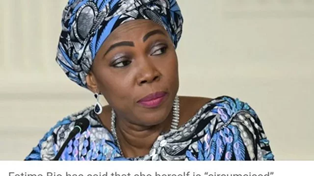
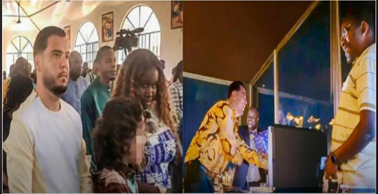
Attention has also been drawn to former immigration boss Mr. Alusine Kanneh and Agnes Bio, with questions being raised about alleged photographs and videos said to show interactions or associations involving them and individuals connected to the matter.
The existence, context and relevance of such materials would need to be established independently. If the materials genuinely exist and are relevant to the investigation, critics argue that the appropriate security authorities should examine them as part of a comprehensive investigation.
The issue is therefore not necessarily about accusing anyone of wrongdoing. Rather, it is about whether every potentially relevant lead is being properly examined.
If photographs or videos exist showing contact between persons of interest, witnesses or individuals allegedly connected to Sheriff, investigators should determine when the material was recorded, where it was recorded, who was present, and what the nature of the interaction was.
Such questions can only be answered through a professional investigation—not through political speculation or social-media commentary.
‘If You Want To Find Him Follow Every Lead’
The growing public argument is that if the ONS and SLP are serious about locating Umarr Sheriff, they should leave no stone unturned.
That includes identifying his known associates, establishing his previous movements, examining available documentary and digital evidence, interviewing people who may have had contact with him and verifying any credible information supplied by members of the public.
Former immigration officials and other persons whose names emerge during a legitimate investigation should be treated according to the law, with any questioning or investigation based on evidence rather than political affiliation, public pressure or personal disputes.
The public deserves to know whether investigators have already examined these alleged connections or whether they remain outside the scope of the investigation.
The Bigger Issue: Public Confidence
At the heart of the controversy is public confidence in Sierra Leone’s security institutions.
The ONS and SLP have important responsibilities in maintaining national security, protecting citizens and investigating matters that may have implications for public safety. Consequently, when a person is being actively sought or when authorities make public statements concerning an investigation, citizens naturally expect professionalism, transparency and consistency.
A situation in which members of the public believe that some possible leads are being ignored can fuel suspicion and undermine confidence in the investigation.
That is why the authorities should consider providing appropriate clarification about the investigation without compromising sensitive operational details.
Evidence, Not Speculation
The allegations circulating around Umarr Sheriff, Alusine Kanneh, Agnes Bio and other individuals should ultimately be tested against evidence.
Videos and photographs can be important investigative materials, but their meaning depends heavily on context. A photograph showing two people together does not, by itself, prove that they participated in wrongdoing. Likewise, an individual’s association with another person does not automatically establish criminal liability.
The responsibility of the security authorities is therefore to establish the facts through lawful investigative procedures.
If there is evidence of wrongdoing, the appropriate institutions should act according to the law. If there is no evidence, those whose names have been dragged into the controversy should also be protected from unfounded accusations.
A Call for Professional Investigation
The current debate should therefore not be reduced to political accusations or personal attacks.
Instead, the ONS and the Sierra Leone Police should demonstrate that they are following all credible leads, regardless of who is involved.
If information exists suggesting that particular individuals may possess useful knowledge concerning Umarr Sheriff’s whereabouts, those individuals can be approached and questioned lawfully. If videos and photographs are being circulated as potential evidence, investigators can authenticate and examine them. If witnesses exist, they can be interviewed.
That is how a serious investigation should proceed.
Sierra Leoneans Want Answer
Ultimately, Sierra Leoneans want answers. Where is Umarr Sheriff?
What information do the security authorities currently have concerning his whereabouts?
Have all persons known to have interacted with him been identified and interviewed?
Have the alleged photographs and videos involving Alusine Kanneh and Agnes Bio been obtained, authenticated and examined by investigators?
And, most importantly, are the ONS and SLP following every credible lead without fear or favour?
These are legitimate questions that deserve responsible answers.
The authorities must balance transparency with operational security, but they should also recognise that silence or incomplete explanations can create room for rumours and speculation.
If the security agencies are confident that their investigation is comprehensive, they should allow their actions—not accusations—to demonstrate it.
For now, the controversy continues, and the public is watching closely.
The real test will be whether the authorities can establish the facts, follow the evidence and ensure that justice is pursued without political interference, favouritism or selective investigation.