

PPRC Robs APC
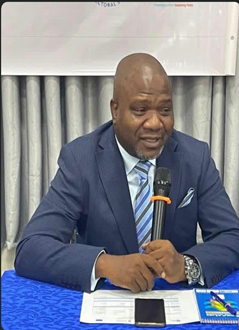
A wave of political tension is sweeping across Sierra Leone following the Political Parties Regulation Commission’s (PPRC) decision not to sanction the ruling Sierra Leone People’s Party (SLPP) over a controversial statement attributed to President Julius Maada Bio. The situation has ignited widespread debate, public outrage, and accusations of bias, particularly from opposition supporters and neutral observers who expected swift disciplinary action.
The controversy stems from remarks reportedly made during a political engagement in Bonthe, where the President was alleged to have stated that anyone who supported the opposition All People’s Congress (APC) in the district “should die in the morning.” Though the statement is being subjected to varied interpretations especially on social media. It has stirred deep concern among citizens, civil society groups, and political commentators.
Many Sierra Leoneans anticipated that the PPRC, as the regulatory body tasked with ensuring fair political conduct, would take decisive action in line with its mandate. Critics argue that if such a statement had originated from an opposition figure, particularly within the APC, the response would have been swift and punitive. This perceived imbalance has fueled accusations that the Commission is applying rules selectively, thereby undermining public confidence in democratic institutions.
Opposition voices have been particularly vocal. APC supporters and affiliated commentators claim the lack of action reflects a troubling pattern where the ruling party is shielded from accountability. Some have gone further, accusing the PPRC of “robbing” the APC of fair political space—not through direct interference, but through inaction in moments that demand neutrality and enforcement of standards.
On the other hand, supporters of the SLPP have defended the Commission’s stance, suggesting that the alleged statement may have been taken out of context or misrepresented. They argue that political rhetoric is often distorted in the heat of competition, and that regulatory bodies must be cautious not to act on unverified or politically motivated claims.
Despite these counter arguments, the broader issue at stake remains the credibility of institutions like the PPRC. For many citizens, this incident is not just about one statement or one party—it is about whether the rules governing political behavior are applied equally to all. In a country with a history of political polarization, even the perception of bias can deepen divisions and erode trust in governance systems.
Civil society organizations and independent analysts are now calling for greater transparency from the PPRC. They urge the Commission to clearly communicate the basis of its decisions, especially in cases that generate national attention. Without such clarity, speculation and suspicion are likely to persist, further inflaming an already charged political atmosphere.
This incident also highlights the growing influence of public opinion in shaping political accountability. Social media platforms have amplified the debate, with citizens from across the country expressing frustration, concern, and in some cases, outright anger. The demand for fairness, many argue, is no longer negotiable—it is a fundamental expectation in a functioning democracy.
As Sierra Leone continues to navigate its democratic journey, moments like these serve as critical tests for institutions and leaders alike. Whether the PPRC will revisit its stance or provide further explanation remains to be seen. What is clear, however, is that the conversation sparked by this controversy is far from over.
For now, the nation watches closely, as questions of justice, equality, and political integrity remain at the forefront of public discourse.


