
…Strengthen or Destroy The Fragile Democracy
By Alusine Daybreak
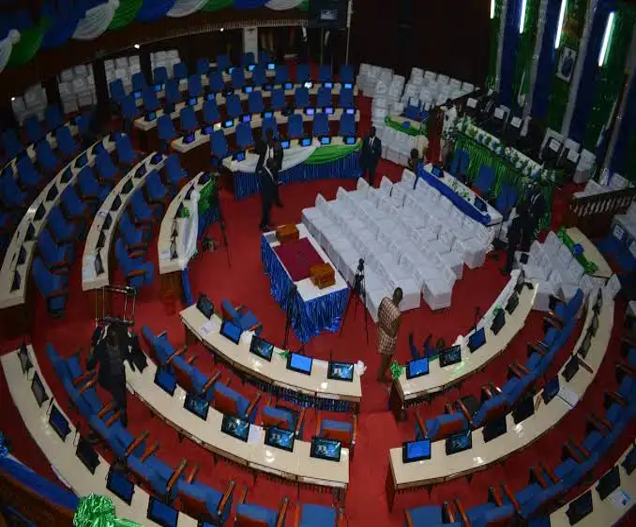
Sierra Leone stands at what many observers describe as one of the most significant democratic crossroads since the country returned to multi-party democracy in 1996. As Parliament prepares to continue debate on the proposed constitutional amendments on Friday, 31 July 2026, political tensions continue to rise across the country, with the proposed electoral system emerging as the most contentious issue.
At the heart of the debate is the proposal to retain or adopt a Proportional Representation (PR) electoral system for future elections. The governing Sierra Leone People’s Party (SLPP) has indicated support for the proposal, arguing that proportional representation can promote broader inclusion, improve representation of smaller political interests, and encourage national unity. On the other hand, the main opposition All People’s Congress (APC) has strongly opposed the proposal, insisting that the country should return to the constituency-based electoral system, which it believes provides voters with direct representation and strengthens accountability between elected officials and their communities.
The parliamentary debate is therefore expected to be intense, as lawmakers deliberate on proposals that could shape Sierra Leone’s democratic future for many years to come.
Beyond Parliament, civil society organizations, religious bodies, professional groups, youth organizations and ordinary citizens have also been actively engaged in discussions surrounding the constitutional review process. Various organizations have conducted public consultations in different districts and communities to gather citizens’ views on the proposed amendments.
According to some consultation reports cited by stakeholders, a significant number of participants expressed reservations about continuing with the PR electoral system. Some groups have claimed that as many as 85 percent of participants in their consultations preferred an alternative electoral arrangement. These figures have featured prominently in the ongoing public debate. However, different organizations have reported varying findings, highlighting the importance of examining the methodology and representativeness of each consultation before drawing nationwide conclusions.
The debate therefore goes beyond political parties. It is fundamentally about the rules that govern how Sierra Leoneans choose their leaders, how Parliament is constituted, and how confidence in democratic institutions can be strengthened.
Supporters of Proportional Representation (PR) argue that the system can reduce the “winner-takes-all” nature of politics, allow more voices to be represented in Parliament, and encourage parties to appeal to broader national interests rather than focusing narrowly on particular constituencies. They contend that, if properly designed and implemented, PR can contribute to political inclusion and national cohesion.
Critics, however, argue that first- The –Past-Post elections provide stronger democratic accountability because voters know exactly who represents them in Parliament and can directly reward or remove their representatives through elections. They fear that expanding the use of party lists could weaken the connection between Members of Parliament and the communities they serve.
As Members of Parliament prepare to debate these issues, many Sierra Leoneans are closely watching the proceedings. Whatever decision is ultimately reached should be guided by the Constitution, the law, broad public consultation, and the long-term interests of the nation.
Democracy is strengthened not only by elections but also by transparent institutions, respect for differing opinions, meaningful public participation, and adherence to constitutional processes. Constitutional amendments are among the most consequential decisions any Parliament can make, as they shape the country’s governance for future generations.
Today’s Parliamentary session is therefore expected to be a defining moment or simple put Sierra Leone is at a crossroads. Whether lawmakers approve, reject, or further amend the proposals, many citizens hope that the debate will be conducted with respect, openness, and a commitment to preserving peace, national unity, and democratic stability.
As Sierra Leone continues its democratic journey, the decisions taken in Parliament will be remembered not simply for their political implications but for their lasting impact on the country’s constitutional order. Many citizens now look to their elected representatives to ensure that whatever reforms emerge reflect the aspirations of the people while safeguarding democratic principles, the rule of law, and the nation’s future.