



The All people’s Congress has rejected the proposed constitutional amendments Bill, according to them the SLPP administration should know that they will one day be an opposition and that they will not rule forever, making a bad law will turn around to fall on them in the near future.
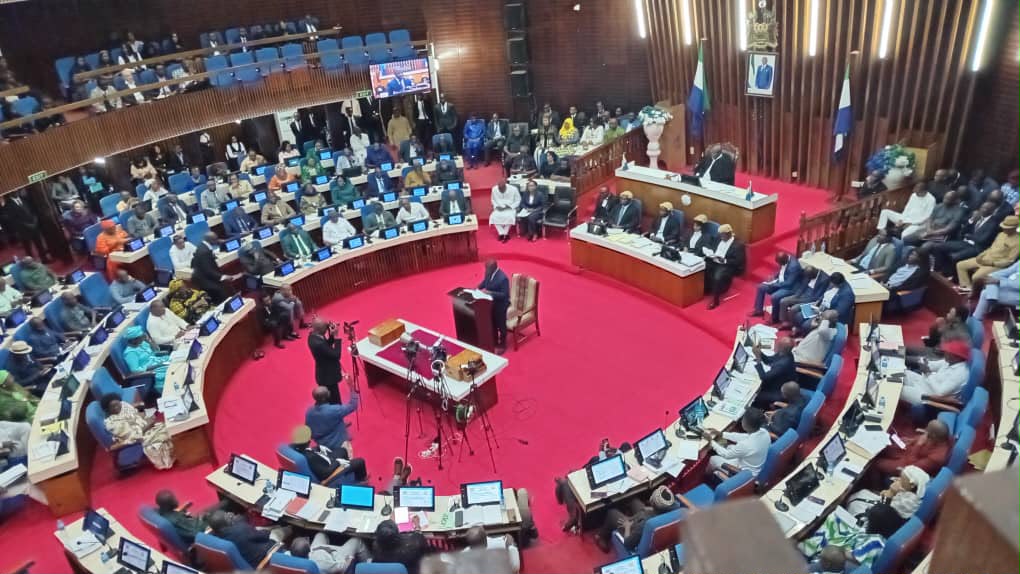
The normal election system which requires 55% percent and eventually a run off if necessary is okay for everyone, according to APC MPs, further saying that to change that means someone wants to do something unbelievable to the votes and the people, 50 plus 1 % percent is not a good thing for the people and the electoral system. ‘’I tell you our Parliamentarians are ready to vote against this and we will not accept it, the PR system is also not good for the people and the country, why force it on the people, the people has been interviewed and they said they don’t want it,’’ said a concern citizen.
Another patriotic Sierra Leonean said: ‘’The imams, pastors and traders are against it why are you forcing the PR system on the people. I trust our Parliamentarians to do the right thing.’’
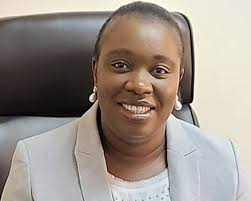
In another developments, Freetown Mayor Yvonne Aki-Sawyerr called on Members of Parliament to reject the Proportional Representation (PR) electoral system and retain the existing 55 percent nationwide Presidential threshold as Parliament voted on the Constitutional Amendments Bill on Tuesday 28th July, 2026.
In a statement issued ahead of the vote, Aki-Sawyerr described the decision as a defining moment for Sierra Leone’s democracy, saying the significance of the vote “cannot be overstated.”
The Mayor identified the electoral system and the Presidential election threshold as the two most important clauses in the Bill.
According to Aki-Sawyerr, public opinion—as expressed by civil society, religious leaders and traditional rulers—clearly favours the First Past The Post (FPTP) electoral system. Proponents argue FPTP will ensure that all communities at both ward and constituency levels are able to choose and have their own representatives in Local Councils and in Parliament.
The proposed amendments, which Parliament is debated yesterday, include introducing Block Proportional Representation as an alternative parliamentary electoral system. The Bill has progressed through public consultations and is now at the stage where it requires the support of a two-thirds majority of the 149 MPs—approximately 99 votes—to pass into law.
Aki-Sawyerr also raised concerns over a proposed district-based element in the Presidential threshold. Her statement warned that introducing a minimum percentage of district votes could “create negative incentives for expelling minority voters from certain districts, thus fueling violence before and during elections.”
She argued that a district-specific element “should not be added to the Presidential threshold.”
Under the 1991 Constitution, a Presidential candidate currently requires 55% of the national valid vote to win outright and avoid a run-off.
However, a proposed update in the Constitutional Amendment Bill seeks to alter this by requiring a candidate to secure a simple majority of the total national vote alongside a new regional requirement: a minimum of 20% of the total valid votes cast in at least two-thirds of Sierra Leone’s districts.
The proposed amendments have been the subject of extensive consultation, with the Tripartite Steering Committee Secretariat convening technical discussions on electoral system reform under Recommendation 78 of the Tripartite Report. The consultations have examined both PR and FPTP systems within the context of Sierra Leone’s political, social and economic realities.
The main opposition All People’s Congress (APC) has previously rejected government proposals to lower the presidential victory threshold, with Acting National Chairman Ambassador Alhaji Osman Foday Yansaneh warning the move threatens the integrity of Sierra Leone’s democracy.
The government’s proposed Clause 42(2) (e) would allow a candidate to win the Presidency outright by securing a simple majority of total valid votes, provided they also garner at least 20 percent of the vote in two-thirds of the country’s districts.
Civil society groups, including the Institute for Legal Research and Advocacy for Justice (ILRAJ), have criticized the Bill, noting it deviates from the Tripartite Committee’s Recommendation 53, which suggested a standard of 50 percent plus one vote nationally combined with 25 percent support in at least half the districts.