

Chief Minister Acclaims AI’s Role in Human Development
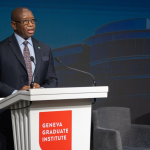
Chief Minister Dr. David Moinina Sengeh has called on global leaders to recognise education and artificial intelligence (AI) as strategic forces shaping geopolitical influence, economic competitiveness and national development in the 21st century, delivering an address at Efekta HORIZONS 2026 in Athens, Greece.
Speaking on the theme: “Education is Geopolitics,” Dr. Sengeh emphasised that the future prosperity of nations will increasingly depend on the quality of education their citizens receive and their ability to harness emerging technologies to improve learning outcomes and expand opportunities. The issues raised in his address reflect the priorities of Sierra Leone’s Medium-Term National Development Plan (MTNDP) and the Big Five Game Changers, particularly Pillar Four, which focuses on Technology and Infrastructure as drivers of innovation, digital transformation and improved service delivery.
Drawing on Sierra Leone’s experience, Dr. Sengeh highlighted the Government’s Free Quality School Education programme and Radical Inclusion policy as important measures for expanding access to education and ensuring that every child, regardless of gender, background or circumstances, has the opportunity to learn and fulfill their potential. These initiatives support inclusive human capital development and help prepare young people for an increasingly technology-driven economy.
Efekta HORIZONS 2026, the first international conference hosted by Efekta Education, brings together distinguished global leaders, policymakers and education experts from the organisation’s Advisory Board and leadership team to explore three horizons shaping the future of education: reimagining learning for millions of students worldwide, examining how agentic technologies can empower teachers and transform classrooms, and developing the skilled workforce required by the global economy.
The discussions are particularly relevant to Sierra Leone’s development priorities, as the effective application of technology and AI in education can support efforts to improve teaching and learning, expand access to educational resources and strengthen digital skills. These priorities align with Pillar Four of the Big Five Game Changers and the broader objectives of the MTNDP to advance human capital development, promote inclusive economic growth and create opportunities for young people.
Dr. Sengeh concluded by challenging global leaders to look beyond the pursuit of increasingly powerful AI systems and focus on how the technology can advance human welfare and human potential. He posed a compelling question: “Which societies are most successful at using AI to make us more human?”