
By Musa Conteh
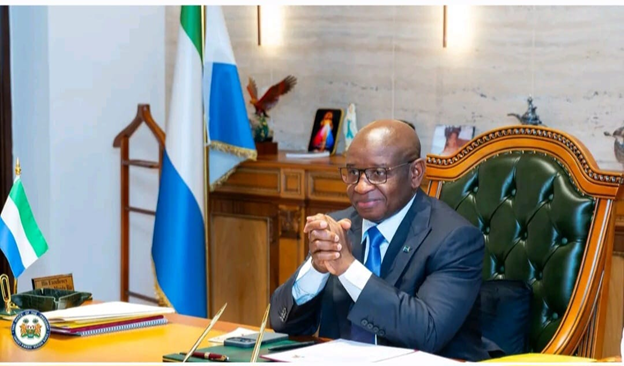
Under the chairmanship of President Julius Maada Bio, Sierra Leone has emerged as a respected voice in promoting dialogue, constitutional governance, peace, and regional cooperation. Through sustained diplomacy, mediation, and constructive engagement with fellow African leaders, the country’s influence within ECOWAS has grown to unprecedented levels.
There are defining moments in the life of every nation—moments when history pauses to acknowledge remarkable progress. For Sierra Leone, the period from 12–19 July 2026 will undoubtedly stand as one of those milestones.
During this historic week, Sierra Leone will host the ECOWAS Mid-Year Summit 2026, culminating in the 69th Ordinary Session of the Authority of Heads of State and Government on 19 July in Lungi. Presidents, prime ministers, foreign ministers, diplomats, business leaders, and development partners from across West Africa will converge on Sierra Leone to deliberate on the future of a region grappling with political transitions, economic challenges, security threats, and the pursuit of sustainable development.
While many nations have hosted international summits, for Sierra Leone this occasion carries profound historical significance.
It is a powerful testament to the country’s remarkable transformation—from a nation once defined by conflict and crisis to one now recognised as a trusted partner and influential voice in regional affairs. It also reflects the diplomatic leadership demonstrated by President Julius Maada Bio during his tenure as Chairman of the ECOWAS Authority of Heads of State and Government.
This is far more than an international gathering.
It is a clear affirmation that Sierra Leone has earned its place among West Africa’s leading democracies and is increasingly shaping conversations on peace, governance, and regional integration.
From Recovery to Regional Respect
Not many years ago, Sierra Leone was known globally for the devastation of civil war and, later, the Ebola epidemic.
Today, the narrative has changed dramatically.
World leaders are travelling to Sierra Leone not to coordinate emergency interventions, but to shape the future of West Africa. That transformation deserves recognition.
Hosting the ECOWAS Mid-Year Summit demonstrates the confidence that regional and international partners now place in Sierra Leone’s democratic institutions, political stability, and growing diplomatic credibility.
President Bio’s stewardship of ECOWAS comes at one of the most challenging periods in the organisation’s history.
West Africa continues to confront terrorism, violent extremism, unconstitutional changes of government, youth unemployment, irregular migration, and economic uncertainty. These complex issues demand visionary leadership, principled diplomacy, and collective action.
Throughout his tenure, President Bio has consistently championed constitutional order, peaceful dialogue, democratic governance, and stronger regional cooperation. Through active engagement with fellow Heads of State and diplomatic initiatives across the sub-region, Sierra Leone’s voice has become increasingly influential within ECOWAS.
Hosting this summit on home soil further reinforces that leadership.
For decades, Lungi was known primarily as the home of Sierra Leone’s international airport.
Today, it is rapidly evolving into an emerging centre of diplomacy.
The construction of the ECOWAS International Conference Centre and the Presidential Villas reflects a long-term national vision that extends well beyond this summit. These world-class facilities position Sierra Leone to host future international conferences, investment forums, and high-level diplomatic engagements, creating opportunities for tourism, hospitality, employment, and foreign investment.
Rather than viewing these developments as preparations for a single event, Sierra Leoneans should recognise them as strategic investments in the country’s future.
A few days before the summit, the Government of the People’s Republic of China reaffirmed its strong partnership with Sierra Leone by donating fifteen presidential vehicles to facilitate the transportation of visiting Heads of State and official delegations.
These vehicles represent far more than logistical support.
They symbolise the enduring friendship between Sierra Leone and China and reflect the confidence that international partners have in Sierra Leone’s capacity to host events of continental importance.
Diplomacy is strengthened not only through speeches but also through meaningful partnerships, and this gesture speaks volumes about the depth of bilateral relations.
Major international summits generate significant economic activity. Hotels accommodate hundreds of guests. Restaurants, transport operators, photographers, caterers, florists, tour guides, security personnel, and numerous small businesses experience increased demand for their services.
Beyond these immediate benefits, the summit offers Sierra Leone an invaluable opportunity to showcase its investment potential. Delegates who experience the country’s hospitality, strategic location, and natural beauty may return not only as visitors but as investors and long-term partners.
Across Freetown, Waterloo, Bo, Kenema, Makeni, and Port Loko, anticipation continues to build.
For many Sierra Leoneans, the summit represents more than diplomacy—it is a source of national pride.
“This summit makes me proud to be Sierra Leonean,” says Mariama Kamara, a market trader. “For many years people associated our country with conflict. Today, Presidents are coming here because they recognise our peace and progress.” University student Abdul Sesay believes the summit presents an opportunity to showcase the country’s youthful potential.
“This is our chance to show the world that Sierra Leone has talented young people who only need opportunities to succeed.”
Taxi driver Alhaji Bangura is equally optimistic.
“We hope our visitors enjoy Sierra Leone and that this summit opens more opportunities for business, tourism, and investment.”
Their voices capture the hopes of countless Sierra Leoneans who believe this historic occasion can leave a lasting national legacy.
Political debate remains an essential pillar of every democracy, and every administration is subject to scrutiny.
Yet some national achievements deserve recognition regardless of political affiliation.
Hosting the ECOWAS Mid-Year Summit is one such achievement.
It highlights Sierra Leone’s growing diplomatic relevance, demonstrates its capacity to organise complex international events, and strengthens its reputation as a stable and reliable partner within West Africa.
Future generations may well remember July 2026 as the moment Sierra Leone firmly established itself as a regional centre for diplomacy and international engagement.
The true legacy of this summit will not rest solely in the communiqués issued or the speeches delivered by Heads of State.
Its lasting impact will depend on Sierra Leone’s ability to convert this historic opportunity into sustained investment, improved infrastructure, expanded tourism, stronger regional cooperation, and inclusive economic growth.
As the flags of ECOWAS Member States fly proudly above Lungi, they will symbolise far more than the gathering of regional leaders.
They will represent Sierra Leone’s resilience, celebrate its remarkable progress, and affirm its rightful place at the heart of West African diplomacy.
History does not remember nations only for the hardships they endured.
It remembers those that transformed defining moments into lasting progress.
The ECOWAS Mid-Year Summit 2026 offers Sierra Leone precisely such an opportunity.
May history record that Sierra Leone embraced the moment with confidence, unity, and purpose.