


By: A. Kargbo
A court Room that was once neglected
A courtroom that once showed clear signs of neglect has received a much-needed facelift, but the transformation has also raised questions about the state of public court facilities in Sierra Leone.
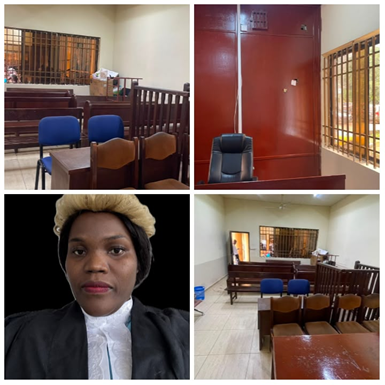
During a recent visit to Magistrates’ Court No. 3, this newspaper observed a noticeable change. The courtroom, which had previously been affected by leaking, rusty furniture and an unpleasant smell during proceedings, now looks brighter and more welcoming.
Fresh paint has given the walls a new look while air-conditioning units have reportedly been provided to improve ventilation and comfort for Magistrates, lawyers, witnesses, accused persons and members of the public who spend long hours in court.
At first, the improvement appeared to be a Judiciary-led renovation.
However, this medium understands that the work was carried out through the voluntary intervention of a private individual who donated paint and air-conditioning units to the court.
The donor, whose identity could not be independently confirmed at the time of reporting, is also said to be willing to extend similar assistance to other courts.
The gesture is commendable, particularly at a time when many public institutions struggle with limited resources. But it also draws attention to the condition in which some court proceedings have previously been conducted.
Courts are places where people’s liberty, rights and disputes are determined. They are therefore expected to provide an environment that reflects the seriousness and dignity of the justice system.
For years, however, some courtrooms have struggled with basic maintenance issues, from leaking roofs and deteriorating furniture to poor ventilation and uncomfortable working conditions.
The recent improvement at Court No. 3 shows how much difference even a modest intervention can make.
But it also leaves an important public-interest question; how are the country’s Magistrates’ Courts maintained, and what systems are in place to ensure that court facilities remain safe, comfortable and fit for the administration of justice?
Private donations can complement government efforts, and this particular contribution deserves recognition. At the same time, there is a need for clear and sustainable maintenance arrangements so that the condition of a courtroom does not depend solely on whether someone is willing to step forward and help.
The Judiciary should therefore be given an opportunity to explain its maintenance plans for Magistrates’ Courts and whether similar improvements are planned for other courts facing comparable challenges.
For now, Court No. 3 has a fresher look, but beyond the new paint and air-conditioning, the renovation has opened a wider conversation about the condition of the spaces where justice is delivered, and who should ultimately be responsible for keeping them that way.