



By Desmond Julius Conteh
Budget Advocacy Network has intensified calls for greater transparency, revenue accountability, and stronger collaboration among local authorities, chiefdom administrations, civil society organisations during a major accountability forum organised by the Budget Advocacy Network (BAN) with support from Irish Aid.
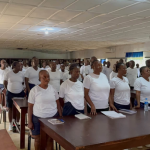
The forum, which brought together local authorities, Paramount Chiefs, councillors, civil society representatives, women’s groups, and community stakeholders, focused on strengthening accountability systems and improving governance structures within the district.
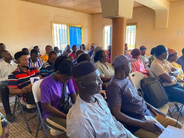
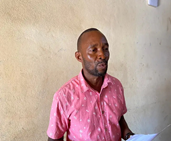
Speaking during the engagement, Chief Ibrahim Yansaneh, who also serves as the Public Relations Officer of the Council of Paramount Chiefs in Karene District, stressed the urgent need for stronger cooperation between the Karene District Council and key local stakeholders. He noted that effective development can only be achieved when councils, Paramount Chiefs, councillors, civil society organisations, women’s groups, and the media work collectively in promoting transparency and accountability.
Chief Yansaneh further emphasised the importance of public awareness campaigns aimed at educating citizens on their tax obligations and civic responsibilities. According to him, increased public understanding of tax compliance would significantly improve local revenue mobilisation and strengthen service delivery across the district.
He also called for the proper implementation of the revenue-sharing Memorandum of Understanding between councils and chiefdom authorities, stating that adherence to the agreement would reduce conflicts, improve trust, and enhance development cooperation between local governance institutions.
Meanwhile, External Audit Committee member, Mabinty Mansaray, disclosed that the committee continues to monitor and follow up on recommendations made in the Auditor General’s reports, particularly those relating to revenue mobilisation and financial accountability in the district.
However, she raised serious concerns over the failure of a local entity identified as the Plaza to provide financial records for scrutiny. According to her, the absence of those records undermines accountability efforts and requires immediate attention from the council authorities.
Mansaray stressed that transparency in financial reporting remains critical to maintaining public trust and ensuring that public funds are managed effectively and responsibly for the benefit of citizens.
Deputy Chairman of the Karene District Council, Foday Amara Yansaneh, commended the Budget Advocacy Network for its continued interventions in promoting transparency, accountability, and citizen participation in governance processes across Sierra Leone.
He urged both citizens and public officials to demonstrate honesty, integrity, and collective responsibility in supporting the district’s development agenda. He noted that accountability should not be seen as the sole responsibility of public institutions alone, but rather as a shared obligation between leaders and citizens.
The Senior Programme Officer at BAN, Abdulrahman Morlson Sesay, highlighted the critical importance of women’s participation in governance, resource management, and accountability processes. He explained that the project seeks to empower women and ordinary citizens with the necessary information and tools to effectively engage duty bearers and demand accountability in the management of public resources.
Sesay further stated that the initiative promotes gender-responsive budgeting, tax compliance, transparency in public financial management, and inclusive participation in governance processes.
According to organisers, the accountability forum forms part of broader national efforts aimed at strengthening transparency, improving audit accountability, enhancing revenue mobilisation systems, and deepening citizen participation in local governance across Sierra Leone.
Stakeholders at the event unanimously agreed that sustainable development in Karene District can only be achieved through openness, accountability, active citizen engagement, and effective collaboration among all actors involved in governance and development processes.