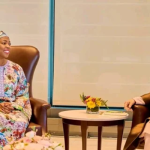


The national conversation surrounding Female Genital Mutilation (FGM) has taken a new and controversial turn, with a growing number of Sierra Leoneans in the diaspora openly criticizing First Lady Dr. Fatima Maada Bio over her position and handling of the sensitive issue.
What was once viewed as a campaign centered on women’s rights and the protection of girls has now evolved into a heated public debate that is attracting attention both within Sierra Leone and among Sierra Leonean communities abroad.
Diaspora activists, community leaders, and social commentators have increasingly voiced concerns, arguing that the First Lady’s approach to the issue has generated division and raised questions about consistency, transparency, and political commitment.
Several diaspora groups have used social media platforms, online forums, and community discussions to challenge Dr. Fatima Bio’s stance, with some accusing her of failing to take a firm and unambiguous position against the practice. Others contend that as a prominent advocate for women and girls, the First Lady carries a unique responsibility to lead national efforts aimed at protecting vulnerable children from harmful traditional practices.
The criticism has been particularly strong among youth organizations and women’s advocacy networks abroad, many of whom have called for greater engagement, dialogue, and policy reforms. These groups argue that Sierra Leone must strengthen its commitment to safeguarding the rights and welfare of girls while balancing cultural sensitivities and community concerns.
Followers of the First Lady, however, have come to her defense. They maintain that Dr. Fatima Bio has consistently championed the rights of women and children through various initiatives and that criticism directed at her often overlooks the complexity of addressing deeply rooted cultural traditions. They argue that meaningful change requires broad consultation with communities, traditional leaders, religious stakeholders, and civil society organizations.
The debate has once again placed FGM at the center of national discourse, highlighting the challenges policymakers face when addressing issues that intersect with culture, tradition, health, and human rights. Analysts note that the controversy demonstrates the increasing influence of the Sierra Leonean diaspora in shaping public conversations and holding national leaders accountable on matters of public interest.
As discussions continue to intensify, many observers believe that the controversy presents an opportunity for a broader national dialogue involving government institutions, civil society organizations, traditional authorities, and international partners. Such engagement, they argue, could help chart a path toward consensus while prioritizing the health, dignity, and future of Sierra Leone’s girls.
For now, Dr. Fatima Maada Bio finds herself at the center of a storm that shows no signs of fading. With opinions sharply divided and emotions running high, the FGM debate is likely to remain one of the country’s most closely watched and politically sensitive issues in the months ahead.