
…Over Fugitive Drug Jos Leijdekkers’ Extradition
- Cocaine Seizure From Sierra Leone
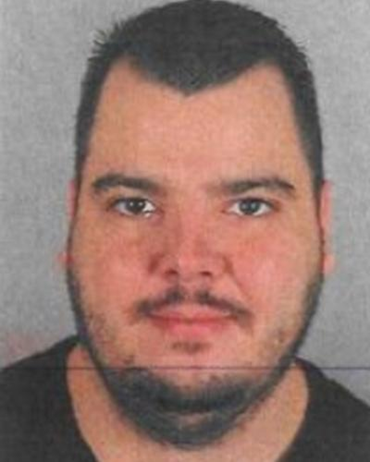
The Government of Sierra Leone, under the leadership of President Julius Maada Bio, of the ruling Sierra Leone People’s Party, is facing increasing international scrutiny as the Kingdom of the Netherlands intensifies efforts to secure the extradition of convicted drug trafficker Jos Leijdekkers, widely known as “Jos L.”
In a strongly worded update that signals rising diplomatic urgency, Dutch Minister of Justice and Security David van Weel revealed that direct engagements have taken place with Sierra Leone’s justice authorities regarding the fugitive’s whereabouts. The communication, shared publicly on X (formerly Twitter), underscores the Netherlands’ determination to bring one of Europe’s most wanted criminals to justice.
According to Dutch authorities, Leijdekkers has been on the run for over a year and is believed to be hiding in Sierra Leone. His alleged presence in the West African nation has now evolved into a high-stakes diplomatic issue, placing the SLPP-led government under mounting pressure to respond decisively.
Van Weel did not mince words: “Time for more urgency. We never give up.” The statement reflects growing impatience within Dutch circles, as officials push for swift action to ensure Leijdekkers serves his sentence and to dismantle the powerful international drug trafficking network he is accused of leading.
Leijdekkers is no ordinary fugitive. He is considered a central figure in Europe’s cocaine trafficking underworld, allegedly orchestrating large-scale smuggling operations that span multiple continents. His capture and extradition are seen as critical not only for justice in the Netherlands but also for the broader global fight against organized crime.
For Sierra Leone, the situation presents a delicate balancing act. On one hand, the government must uphold international legal obligations and maintain cooperative relations with global partners. On the other, it must navigate domestic legal processes and sovereignty concerns, all while under the watchful eye of both citizens and the international community.
Notably, Sierra Leone’s Attorney General and Minister of Justice, Alpha Sesay, has remained silent on the latest developments. His lack of public comment has fueled speculation and heightened public interest, with many observers questioning the government’s next move.
The unfolding situation has sparked debate across Sierra Leone, with citizens and analysts alike weighing the potential implications for the country’s international reputation, rule of law, and diplomatic relations. As pressure mounts, the coming days are expected to be critical in determining how the SLPP government responds to one of the most sensitive extradition cases in recent history.
With global attention now fixed on Freetown, one question looms large: will Sierra Leone act swiftly to hand over one of Europe’s most wanted men, or will the process drag on, further intensifying international pressure?
The world is watching.